Ukash vouchers are a thing of the past, but UK players can still enjoy anonymous, prepaid casino deposits with Paysafecard, Neosurf, and Boku. Our guide lists the top alternatives, answers all your questions, and ranks the safest prepaid casinos for 2026. explore the best ukash alternatives for uk casinos


© 2026 amep.com. All rights reserved
A Comprehensive Examination of Casino Session Limits
A Comprehensive Examination of Casino Session Limits
A Comprehensive Examination of Casino Session Limits
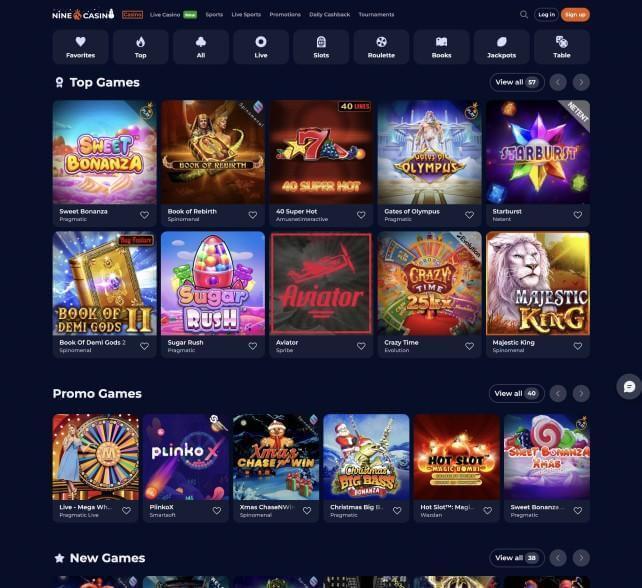
Defining a strict cap on how long a gaming session lasts is among the most powerful but underused methods in responsible gambling nine.org.pl. For Polish players who enjoy platforms like Nine Casino, understanding session limits goes beyond simple timekeeping. It is a structural barrier against impulsive decision-making. When time is predefined, the brain shifts from an endless entertainment mode to a controlled activity with a clear endpoint. This article examines the mechanics, psychology, and practical implementation of session limits to maintain a healthy relationship with online casino entertainment.
What Is the Meaning of a Casino Session Limit
A casino session limit represents a fixed period a player dedicates to gambling before logging in. Unlike deposit-based limits that manage money, session limits control time exposure. The concept relates to a single continuous login period, from the reddit.com first spin to the last log-out. Many responsible gambling frameworks treat time as a key risk factor because extended play correlates directly with fatigue and poor judgment. By defining the finish line ahead of time, players create a non-negotiable exit strategy that functions independently of winning or losing streaks.
Current platforms often include automated timers that track active play. Some systems display gentle reminders after 30 or 60 minutes, while stricter reality checks can block the screen until the player confirms the passed duration. These technical nudges function as external accountability partners. For Polish users exploring the iGaming space, such features are not punishing measures but rather supporting infrastructure meant to keep entertainment from sliding into compulsion.
The Mental Pitfall of Timeless Play
Online casinos deliberately remove traditional interruption signals. There are no final call notifications, no bodily exhaustion from remaining at a table, and no dealer rotations. The digital environment fosters a disconnect from actual time, what psychologists call time fragmentation. Players enter a immersive state where time slips away unnoticed. This altered perception is no coincidence; it is a result of captivating design, ongoing sound cues, and the quick succession of bets and outcomes that override the brain’s time-keeping functions.
Willpower alone seldom overcomes this engineered timelessness. The prefrontal cortex, tasked with rational long-term planning, becomes less active during dopamine-rich experiences. A player who intends to play for one hour may suddenly realize and discover three hours have vanished. Session limits serve as a forward-planning tool made during a clear-headed moment. They bypass the need for in-the-moment self-control by digitalizing the decision to stop before the cognitive transition occurs.
Noting When Session Limits Fall Short
Session limits are a precautionary tool, not a remedy for established gambling disorder. If a player consistently notices stretching limits, dismissing reality checks, or feeling real distress when a session ends, these are warning signs. The tool works best for those in the beginning stages of risk or for sustaining already healthy habits. It is not intended to override a severe compulsion. Recognizing this limitation is crucial because it steers individuals toward more comprehensive interventions when needed.
Cautionary signs that indicate a need for stronger measures include lying about time spent gambling, abandoning responsibilities to extend sessions, and feeling withdrawal-like irritability when not playing. In such cases, self-exclusion programs and professional support become the proper next steps. Poland offers several resources, such as the National Fund for Solving Gambling Problems and specialized therapy hotlines that provide free, confidential assistance. Combining professional help with platform-level exclusion tools creates a thorough safety approach.
The purpose of Reality-check reminders During Play
Reality check pop-ups are mid-session interruptions that display elapsed time and total expenditure. They demand an active click to dismiss, which momentarily breaks the habitual rhythm. Though some individuals view them as irritating, their jarring effect is precisely what gives them impact. The annoyance is a indication that the pause is penetrating the engrossing state. A carefully crafted reality check doesn’t simply display a figure; it presents a direct question such as “Do you want to continue?” forcing a deliberate decision.
Configuring reality checks to appear every 20 or 30 minutes produces multiple choice moments throughout a session. Each one is an opportunity to reevaluate whether the original plan still remains valid. When a player chose a 60-minute celling, two reality checks during the session function as progress markers. They avoid the sudden surprise of a play-stopping notification and allow for a gentle deceleration. This pacing turns the final stop seem like a logical finish rather than an abrupt punishment.
Time Constraints and the Mobile Betting Context
Mobile betting presents particular challenges for time management. The device is constantly within reach, alerts can pull users back in, and the private screen makes prolonged play times more discreet to others. Duration boundaries become even more critical in this context because the outer social cues that might end a computer gaming session are missing. A person seated at a portable computer might stop when a partner returns home; a user on a smartphone can carry on unobserved in any space.
Polish-language smartphone users should activate app-level clocks in addition to platform-level duration boundaries. Both Android and iOS offer digital wellbeing options that can restrict access to the app after a certain period. Layering the system’s restrictions on top of the gaming platform’s safe gambling instruments creates a double protection. Even though the player closes the site’s notice, the phone itself can enforce the restriction. This redundancy is valuable because it addresses the times when willpower fades.
Employing Platform Tools to Maintain Boundaries
Responsible gambling toolkits on licensed platforms commonly feature customizable session limit settings. The procedure is typically straightforward: navigate to the responsible gaming part of the account, ekonomia.wne.uw.edu.pl select a time limit, and set it. Once set, the software records active play and issues a notification when the limit approaches. Upon approaching the deadline, the system may disconnect the player or restrict access for a cooling-off period. These automated enforcements take away the burden of self-policing during vulnerable moments.
Some platforms provide a hard lockout choice that prevents immediate re-login after a session expires. This cooling-off gap, even if barely 15 minutes, is critical. It breaks the trance state and enables the rational brain to re-engage. During that break, a player can assess whether they are still making entertainment-based decisions or sliding into compulsive patterns. Polish players should look for operators that offer these granular controls rather than superficial responsible gambling pages with no actionable features.
Determining a Realistic Session Duration
Choosing the appropriate session length requires honest self-assessment. A helpful starting point is to look back on past sessions where self-regulation was maintained versus those where it weakened. Most recreational players find that focus and enjoyment reach their highest within the first 40 to 60 minutes. After that period, decision fatigue occurs, and the entertainment value diminishes while risk perception blunts. Choosing a limit below the point of cognitive decline constitutes a pragmatic way to preserve the fun while limiting harm.
External commitments provide natural markers for session planning. A player could decide to end a session before dinner, before a scheduled call, or before a favorite television program begins. Linking the limit to a concrete real-world event reinforces the commitment. Rather than leaning on an vague number on a countdown clock, the brain connects the stop signal with a concrete transition. This technique is particularly successful for those who struggle with digital-only reminders.
How Session Constraints Support Financial Controls
Deposit caps and loss caps address the monetary dimension of risk, but they do not directly address the temporal aspect. A player with a reasonable deposit cap can yet chase losses for hours, repeatedly topping up small amounts if the platform allows it. Session limits shut this weakness by cutting off the opportunity to continue. When time runs out, the session ends irrespective of the account balance. This double approach creates a safety net where money and time controls reinforce each other.
Imagine a scenario where a Polish player establishes a 200 PLN deposit limit alongside a 45-minute session timer. The financial boundary blocks catastrophic loss, but the time boundary hinders the slow erosion of judgment that results in topping up that deposit. Combined, they create a complete harm reduction strategy. Nine Casino and similar responsible operators offer both tools because they understand that sustainable play necessitates managing not just how much is spent, but how long the exposure continues.
Building a Pre-Login Ritual
A structured routine before logging in can markedly improve compliance to session limits. The ritual communicates to the brain that this is a bounded activity rather than an unlimited escape. Effective pre-session steps encompass:
- Setting a precise start and end time, and jotting it down on paper rather than merely mentally remembering it.
- Choosing on the maximum deposit amount for that particular session and transferring only that sum.
- Clearing distractions that obscure time perception, such as turning off the phone’s silent mode so alarm sounds are audible.
- Placing a physical object like a water glass or a sticky note near the screen as a visual anchor to reality.
- Committing to a post-session activity that demands leaving the device, such as exercising a dog or preparing a meal.
This checklist converts an abstract intention into a concrete plan. The physical act of writing reinforces memory encoding, making the limit tougher to rationalize away later. Over time, the ritual becomes habitual, and the session limit feels less like a restriction and more like a natural part of the entertainment experience. Polish players who use this method reveal greater satisfaction because they exit sessions on their own terms.
Teaching Session Limits for New Players
New players frequently focus solely on game rules and bonus terms, neglecting the responsible gambling settings before a problem arises. Proactive education could change this pattern. Preferably, the account registration flow should require users to set at least one limit before depositing. When platforms make limit-setting a standard step rather than an optional buried feature, participation rates rise significantly. Normalizing this behavior from day one frames it as a normal part of the gaming experience, not an admission of weakness.
Experienced players can model good habits by candidly discussing their own use of session timers. Community forums and social media groups for Polish casino enthusiasts rarely feature such conversations, but they need to. Peer influence is impactful. When newcomers see that disciplined players use these tools, the stigma disappears. Nine Casino and other brands can facilitate this cultural shift by highlighting user testimonials that portray limit-setting as a intelligent, tactical approach to maximizing enjoyment over the long term.
Adjusting Limits as Life Circumstances Change
A session limit that works during a leisurely holiday period could be completely inadequate during a demanding workweek. Stress, fatigue, and emotional states alter risk tolerance and impulse control. Players should assess their limits regularly, preferably on a monthly basis, and modify them to reflect current life conditions. A person struggling with grief, job loss, or relationship strain should consider tightening limits temporarily, as exposure to escapist gambling increases during such periods.
Adaptability does not mean abandoning structure. It signifies adapting the structure to serve its protective function under shifting conditions. Some platforms enable immediate tightening of limits but impose a cooling-off period before limits can be loosened. This asymmetric design is deliberate and advantageous. It prevents impulsive weakening of boundaries during a moment of urge while allowing quick reinforcement of defenses when a player recognizes increased risk. Understanding this mechanism helps Polish players employ the system as designed.
Managing session limits is ultimately about reclaiming agency over one’s time. The tools provided by responsible operators are not obstacles to enjoyment; they are the structure that keeps entertainment sustainable. By combining automated timers, reality checks, pre-session rituals, and honest self-monitoring, players can make sure that every session ends by choice rather than by exhaustion or regret. The goal is not to remove spontaneity but to contain it within a structure that preserves wellbeing. When time is regarded as a finite resource, the entire gaming experience becomes more beneficial and more rewarding.